Richard Feynman Quotes on Personal Growth
About Richard Feynman
Brilliant physicist known for quantum electrodynamics, Feynman diagrams, and the parton model. He won a Nobel Prize, helped develop the atomic bomb, pioneered quantum computing, and popularized science through books, lectures, and his engaging personality. He remains one of the most influential physicists in history.
Books Written By Richard Feynman
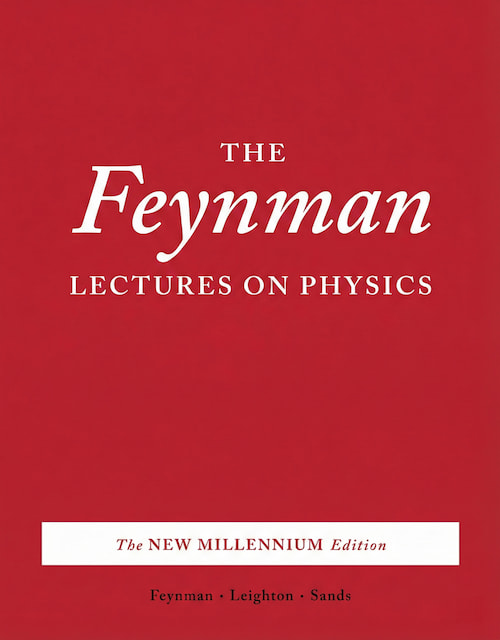
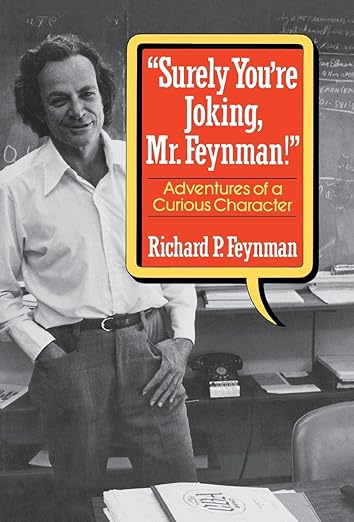
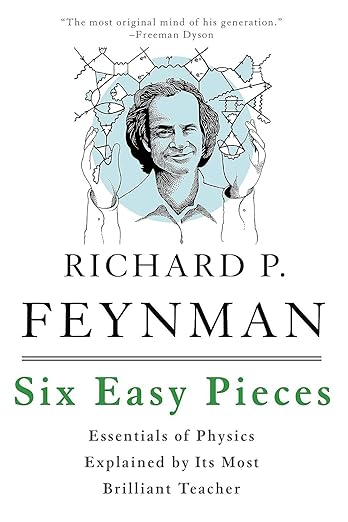
Quote
The first principle is that you must not fool yourself — and you are the easiest person to fool.
Insight
-
Actionable Takeaways
- -
Insight
-
Actionable Takeaways
- -
Quote
If you want to master something, teach it. The more you teach, the better you learn. Teaching is a powerful tool to learning.
Insight
-
Actionable Takeaways
- -
Quote
Of course, you only live one life, and you make all your mistakes, and learn what not to do, and that's the end of you.
Insight
Wisdom is simply a collection of corrected errors accumulated over a lifetime.
Actionable Takeaways
- Write one mistake and its lesson each week.
- Build a "Stop Doing" list.
- Share one lesson after each project ends.
Quote
Nobody ever figures out what life is all about, and it doesn't matter. Explore the world. Nearly everything is really interesting if you go into it deeply enough.
Insight
-
Actionable Takeaways
- Be someone who dives deep, not skims widely.
- Read one page of a book on a new topic.
Quote
Study hard what interests you the most in the most undisciplined, irreverent and original manner possible.
Insight
Break learning rituals—chase curiosity anytime, anywhere, and dig deep.
Actionable Takeaways
- When reading, skip what you already know, hunt for new knowledge gaps like a predator.
- After formal study time, spend twenty minutes exploring tangents freely.
- Track: insights from structured learning vs. insights from wild exploration.